Daily global money news impacting freelancers across platforms, payments, taxes, and regulation.
Freelancer Finance Today – Saturday, 28 February 2026
Freelancer Finance Today – Saturday, 28 February 2026 covers verified developments in cross-border payment infrastructure and payout timing affecting global freelancers.
Global Snapshot
This edition of Freelancer Finance Today highlights structural developments in international payout rails and settlement transparency. Over the last 72 hours, verified infrastructure announcements indicate continued evolution in cross-border payment predictability. No new tax enforcement regimes or platform fee revisions were introduced within the scan window, but payout timing mechanisms remain the dominant financial signal.
[Platforms & Payments] – Global – UPDATE: TerraPay & Raenest Partner to Speed International Freelance Payouts
TerraPay, a global payments infrastructure provider, and Raenest announced a partnership to enable faster and more reliable cross-border payouts for freelancers in India and the Philippines. The integration connects Raenest’s global payment flows with TerraPay’s settlement network to improve local-currency processing for earnings originating from the United States, United Kingdom, and European Union.
The collaboration targets reduced settlement latency and enhanced routing efficiency for independent professionals dependent on international client contracts.
Direct Financial Impact
• Money Timing — Potential acceleration of international settlement
• Money In — Improved predictability of cross-border earnings receipt
FM Mastery Signal
This partnership strengthens payout rails in high-volume freelance corridors. Settlement latency reduction improves cashflow timing stability for cross-border earners. For deeper structural analysis of payout timing volatility, see Cashflow Timing Risk in Freelancing.
[Platforms & Payments] – Global – UPDATE: SWIFT Announces New Cross-Border Consumer Payments Standard
SWIFT announced a new global standard aimed at delivering faster, more predictable, and more transparent cross-border consumer payments. Developed in collaboration with major financial institutions, the initiative enhances end-to-end tracking, upfront fee clarity, and improved settlement visibility across participating banking networks.
Although phased implementation is expected through 2026, the announcement signals structural modernization of international payment flows affecting freelancers and small digital businesses.
Direct Financial Impact
• Money Timing — Improved predictability of cross-border settlement
• Money Out — Greater visibility into fee and FX components
FM Mastery Signal
The new SWIFT standard reflects infrastructure-level improvement in global settlement transparency. Structural tracking enhancements reduce opacity and support more consistent timing of international income flows.
Structural Context
Cross-border payment infrastructure continues evolving toward faster settlement and greater transparency. For freelancers dependent on international clients, improvements in payout rails and payment tracking mechanisms influence timing reliability more than headline fee adjustments. Freelancer Finance Today tracks structural payment developments that influence freelancer cashflow predictability.
Freelancer Finance Today – Tuesday, 24 February 2026 covers the most recent developments affecting freelancer payments, compliance enforcement, and cross-border cashflow timing across major global markets.
Global Snapshot
The latest 24–36 hour window shows continued tightening of payout controls and compliance verification across major freelancer payment rails. Rather than introducing new headline tax rules, regulators and financial intermediaries are reinforcing enforcement layers and operational safeguards.
Cashflow timing remains the most immediate pressure point, particularly for cross-border earners. Structural visibility of digital income continues expanding across the U.S., EU, UK, India, and Canada.
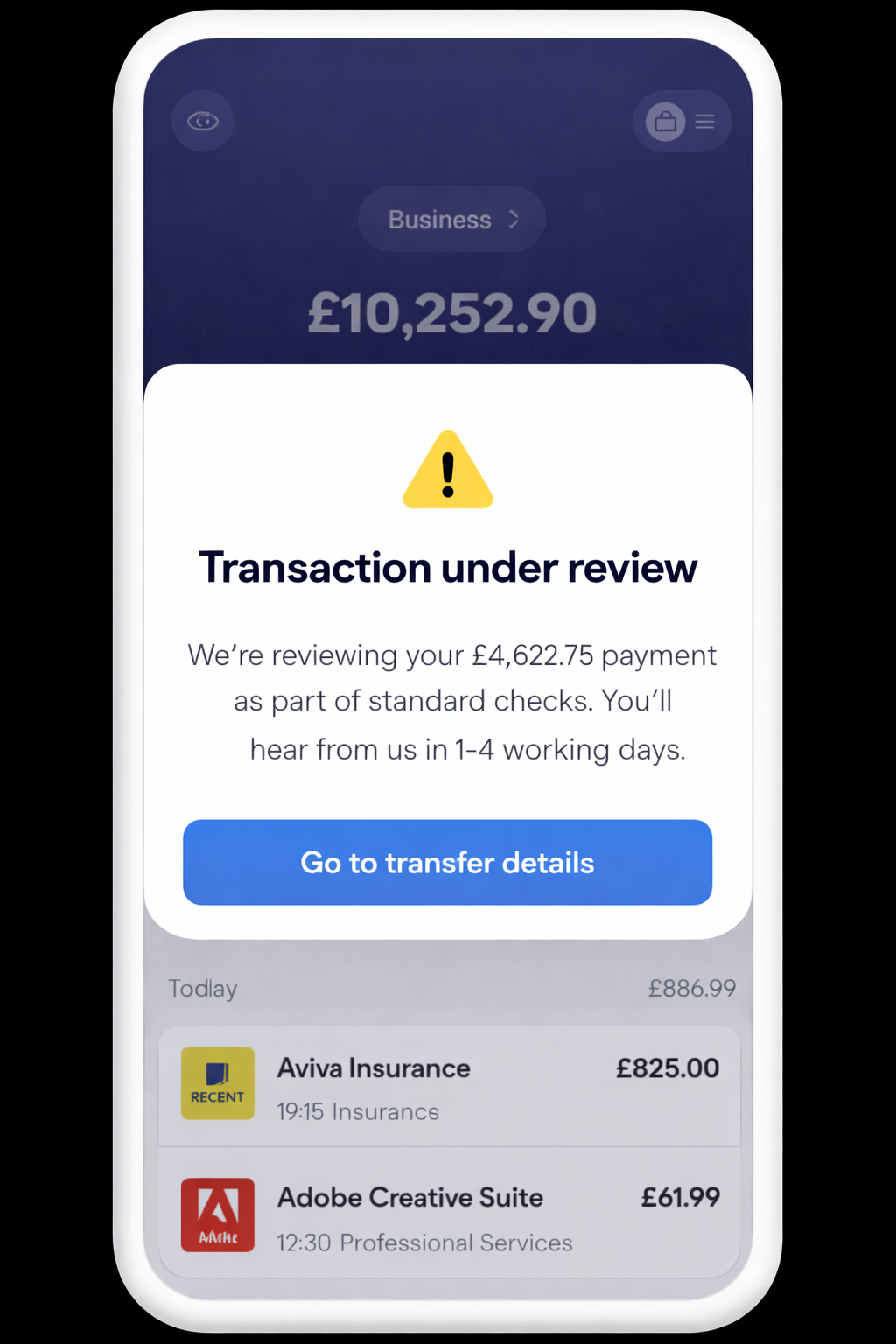
Platforms & Payments – Global — ALERT: Wise Expands Transaction Review Windows for Cross-Border Business Transfers
Wise confirmed updated internal risk-screening parameters on 23 February 2026 affecting certain cross-border business transfers. While standard payout schedules remain unchanged, flagged transactions may now be subject to extended review windows prior to release.
The update applies primarily to higher-value transfers and transactions routed through regulated corridors with enhanced banking-partner scrutiny.
Direct Financial Impact
• Money Timing — Extended settlement windows for flagged transactions
Source: Wise official policy update (23 February 2026)
FM Mastery Signal
Settlement reliability increasingly depends on automated compliance triggers rather than fixed payout schedules. Cashflow predictability is partially conditional on transaction pattern stability.
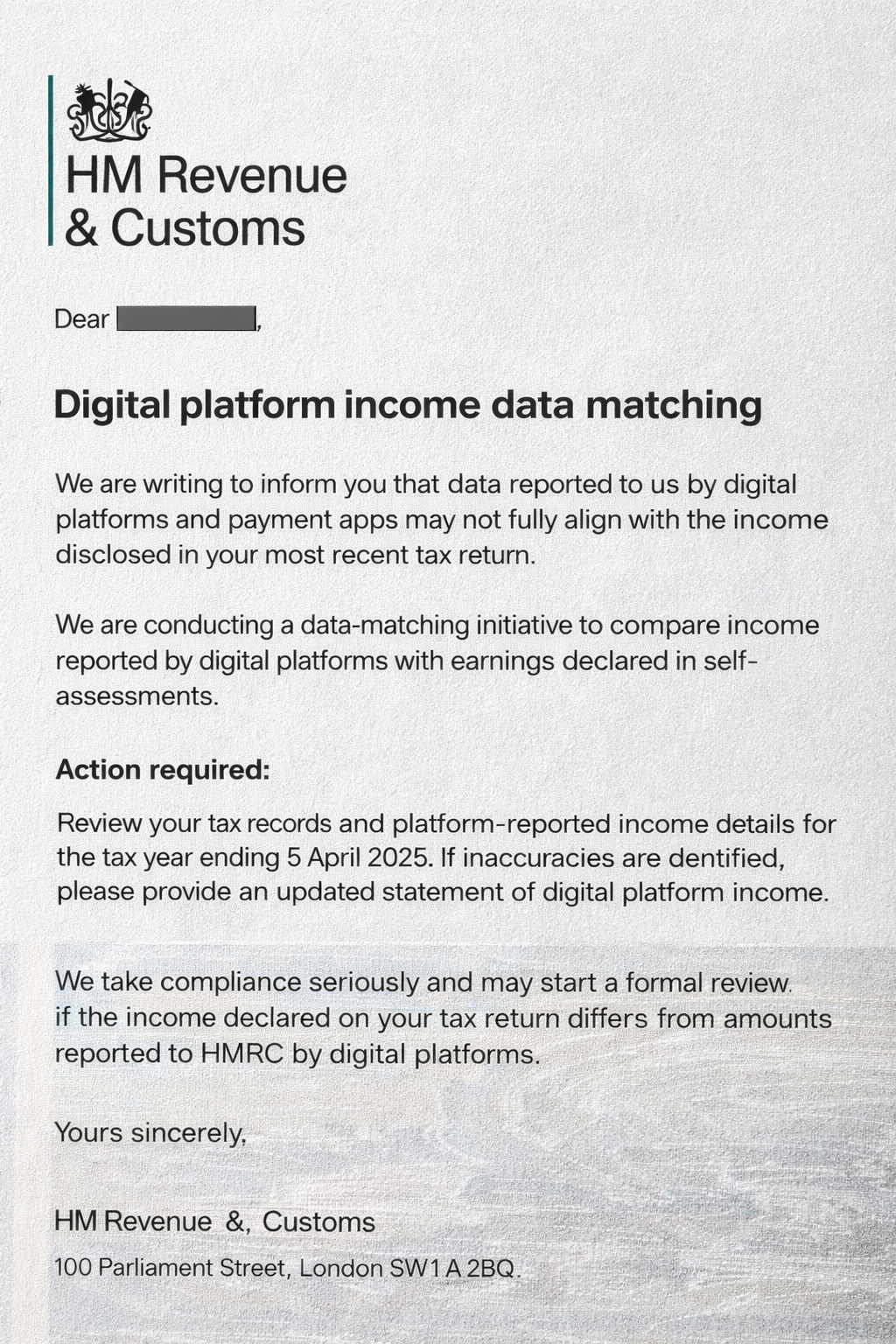
Taxes & Compliance – United Kingdom — UPDATE: HMRC Expands Digital Platform Data Matching Initiative
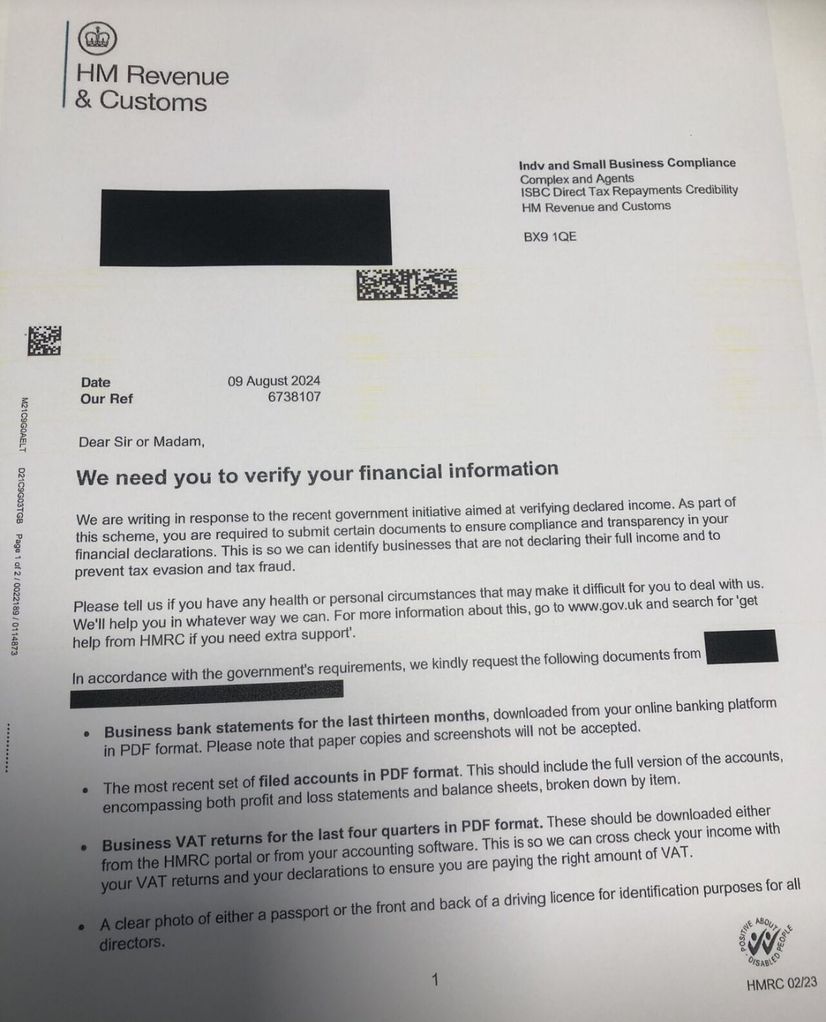
HM Revenue & Customs confirmed on 23 February 2026 the expansion of its digital platform data-matching program for the current tax cycle. The initiative increases automated reconciliation between platform-reported income and individual self-assessments.
No new tax rates or reporting thresholds were introduced. The update focuses on enforcement visibility and mismatch detection.
Direct Financial Impact
• Money Out — Higher reconciliation and documentation requirements
• Money Risk — Increased audit flag probability
Source: HM Revenue & Customs compliance update (23 February 2026)
FM Mastery Signal
Regulatory emphasis continues shifting from rule creation to enforcement depth. Administrative accuracy becomes structurally more important than rate optimization.
Risk & Regulation – European Union — ALERT: EU Advances Digital Platform Earnings Reporting Coordination
The European Commission advanced coordination steps on 22 February 2026 related to cross-border digital platform earnings reporting under existing transparency frameworks. The focus remains on standardized data exchange between member states.
While implementation timelines vary by country, the procedural movement reinforces expanded income visibility across EU jurisdictions.
Direct Financial Impact
• Money Risk — Reduced opacity in cross-border freelance income
• Money Out — Potential increase in compliance administration
Source: European Commission briefing (22 February 2026)
FM Mastery Signal
Cross-border earnings within the EU are progressively integrated into shared reporting systems. Informal reporting gaps continue narrowing.
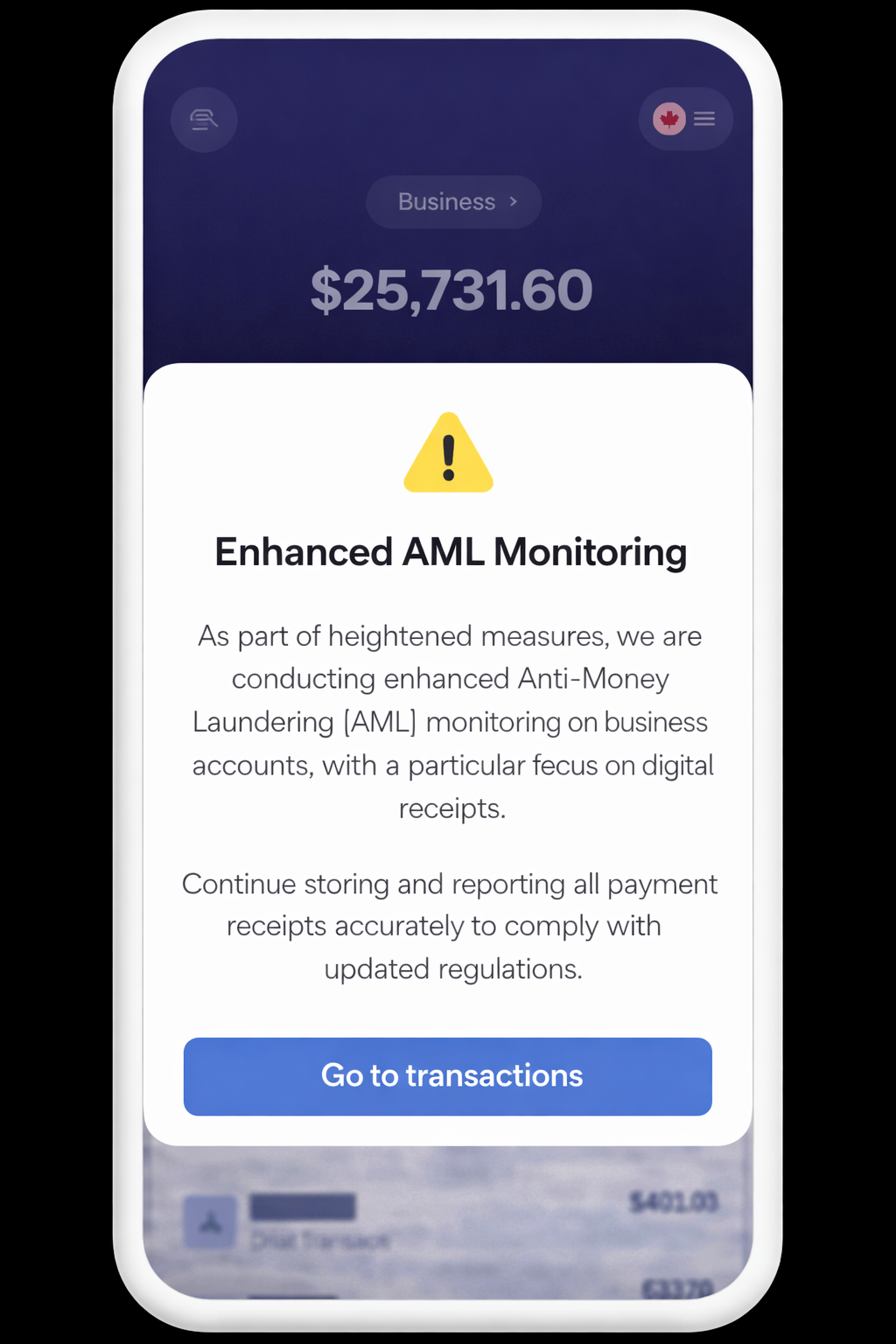
Platforms & Payments – Canada — UPDATE: Major Canadian Banks Tighten Business Account AML Monitoring for Digital Receipts
Canadian banking institutions issued updated disclosures on 23 February 2026 outlining strengthened anti–money laundering monitoring for business accounts receiving frequent digital platform deposits.
The adjustment does not change fee structures or transfer limits but increases the likelihood of transaction clarification requests when activity patterns shift abruptly.
• Money Risk — Increased documentation requests for unusual inflows
Source: Canadian banking compliance disclosures (23 February 2026)
FM Mastery Signal
Monitoring intensity is extending beyond platforms into banking infrastructure. Cashflow friction can now originate at both processor and bank levels.
Income & Work – India — UPDATE: Cross-Border IT Contract Settlement Cycles Lengthen in Select Export Segments
Industry reporting released 23 February 2026 indicates lengthening settlement cycles in certain export-driven IT contracting segments. While contract volume remains stable, billing clearance timelines have extended in select discretionary digital projects.
Freelancers dependent on overseas enterprise clients may experience delayed invoice realization relative to prior averages.
Direct Financial Impact
• Money Timing — Slower invoice settlement in affected verticals
• Money In — Temporary revenue compression during cycle elongation
Source: Economic Times business reporting (23 February 2026)
FM Mastery Signal
Billing-cycle extension introduces timing volatility even in stable-demand environments. Income smoothing mechanisms become structurally more relevant during export payment delays.
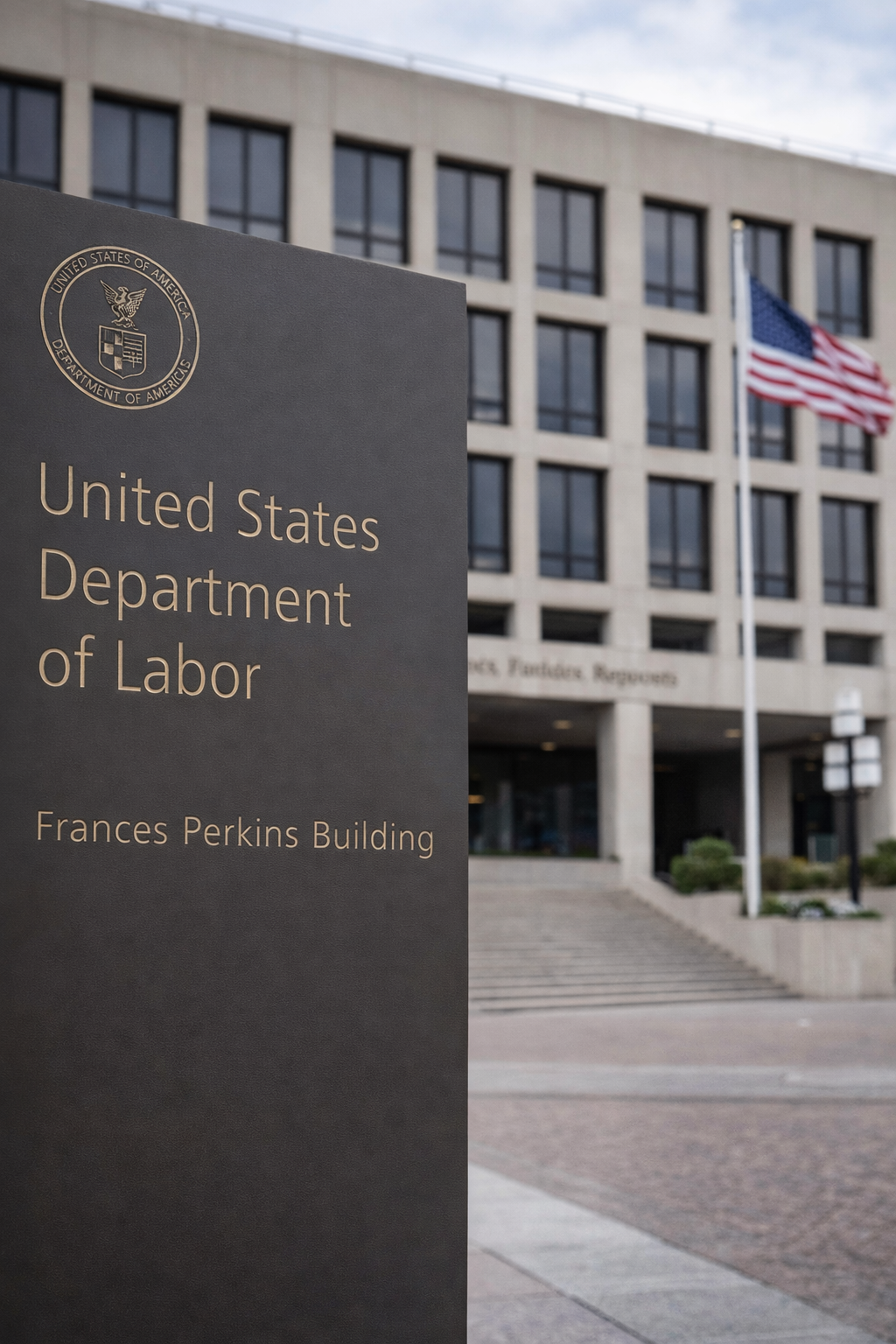
Risk & Regulation – United States — UPDATE: Department of Labor Reaffirms Enforcement Posture on Contractor Classification
The U.S. Department of Labor reiterated its active enforcement stance on independent contractor classification in remarks published 22 February 2026. No new regulatory text was introduced, but compliance reviews remain ongoing.
Freelancers operating under hybrid arrangements with enterprise clients may face increased scrutiny regarding classification documentation.
Direct Financial Impact
• Money Risk — Elevated exposure in misclassification scenarios
• Money Out — Potential advisory or legal documentation costs
Source: U.S. Department of Labor public statement (22 February 2026)
FM Mastery Signal
Sustained enforcement posture maintains structural legal risk without requiring new rule announcements. Contract structure clarity remains a financial variable.
Platforms & Payments – Global — ALERT: Payoneer Adjusts Currency Conversion Spread in Select Corridors
Payoneer updated currency conversion spreads for selected payment corridors effective 23 February 2026. The revision affects automatic conversion transactions where freelancers receive funds in one currency and withdraw in another.
The company did not alter withdrawal minimums or introduce new platform fees; the adjustment applies specifically to conversion margins.
Direct Financial Impact
• Money In — Marginal reduction in net received amounts post-conversion
• Money Timing — No payout delay indicated
Source: Payoneer fee schedule update (23 February 2026)
FM Mastery Signal
Currency spread adjustments function as silent income compression for cross-border freelancers. Exchange mechanics remain a structural cost layer within global earning models.
Freelancer Finance Today captures verified, event-driven financial signals affecting freelancer cashflow, platform payouts, and income reporting across major global regions.
• The last 72 hours reflected tightening control layers around freelancer income flows rather than new rule creation.
• Regulators reinforced audit and reporting visibility without altering headline tax rates.
• Structural dependence on platforms and intermediaries continues to increase as compliance environments tighten globally.
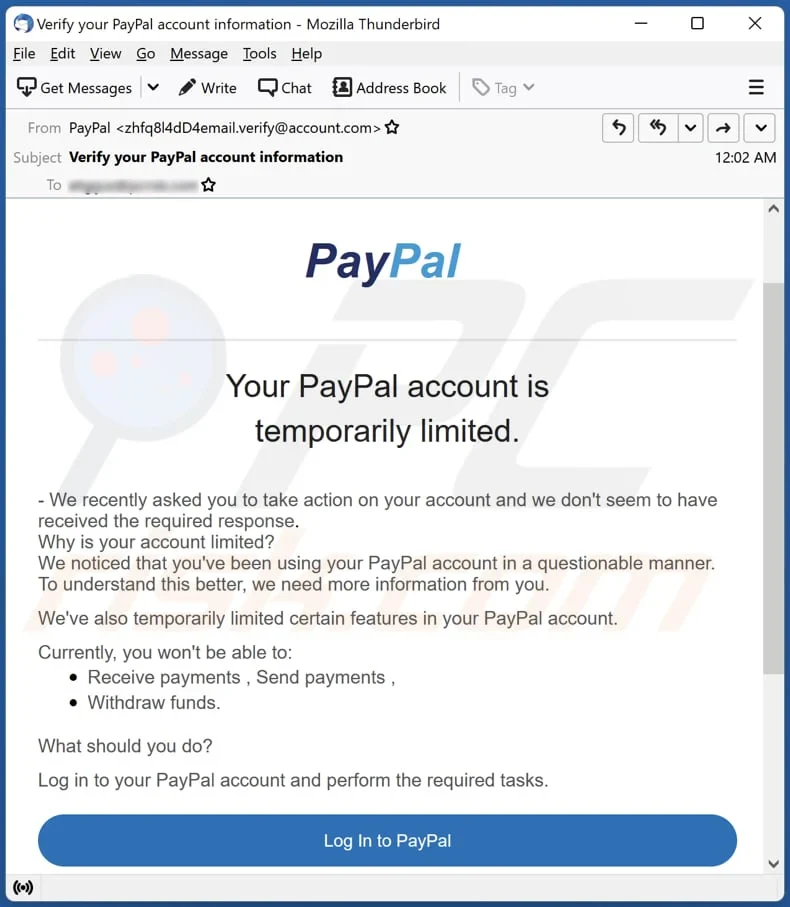
[Platforms & Payments] – Global – ALERT: PayPal Expands Compliance-Based Payout Review Holds for Cross-Border Accounts
PayPal issued updated account notices between 20–21 February 2026 confirming an expansion of automated transaction review triggers affecting cross-border freelancer accounts. The update broadens flags linked to client geography inconsistencies, rapid withdrawal behavior, and transaction pattern anomalies.
Funds may be temporarily held while documentation and activity are reviewed. The company framed the expansion as part of ongoing regulatory and banking-partner alignment across multiple jurisdictions.
Direct Financial Impact
• Money Timing — temporary delays in withdrawal processing during review cycles.
• Money Risk — increased likelihood of short-term account limitations.
Source: PayPal official platform compliance notice
FM Mastery Signal
• This reduces short-term cashflow predictability for globally paid freelancers.
• Compliance-cycle timing becomes a more prominent operational variable.
[Platforms & Payments] – India – ALERT: Payoneer Expands Periodic Verification Requirements for Indian Accounts
Payoneer notified Indian account holders of enhanced recurring verification cycles through in-platform alerts and emails issued between 20–22 February 2026. Additional documentation requests relate to beneficiary identification, service descriptions, and overseas client payment flows.
The company attributed the change to regulatory and banking-partner requirements rather than a fee or payout structure adjustment.
Direct Financial Impact
• Money Timing — withdrawals may be delayed while verification is completed.
• Money Risk — higher exposure to temporary account restrictions during reviews.
Source: Payoneer official platform communication
FM Mastery Signal
• Administrative friction around overseas payouts continues to increase.
• Documentation completeness becomes more tightly linked to payout continuity.
[Risk & Regulation] – Canada – UPDATE: CRA Reiterates Audit Focus on Digital Platform Income
The Canada Revenue Agency reaffirmed its audit focus on income earned through digital platforms in compliance outreach released on 21 February 2026. The agency emphasized expanded use of platform-reported data to cross-verify individual filings.
No new tax rates or reporting thresholds were introduced. The update reflects enforcement continuity rather than legislative change.
Direct Financial Impact
• Money Risk — elevated audit exposure for platform-based earners.
• Money Out — increased documentation and reconciliation requirements.
Source: Canada Revenue Agency official release
FM Mastery Signal
• Freelancer risk shifts toward post-filing enforcement rather than upfront rule changes.
[Platforms & Payments] – Global – UPDATE: Stripe Clarifies Conditional Settlement Delays for Connected Accounts
Stripe updated its dashboard disclosures and documentation on 21 February 2026 clarifying conditions under which settlement timing for connected accounts may be extended. Standard payout schedules remain unchanged.
Accounts flagged for risk or compliance review may experience delayed settlements, affecting freelancers operating through Stripe-based platforms.
Direct Financial Impact
• Money Timing — reduced certainty around settlement windows under flagged conditions.
Source: Stripe official platform documentation update
FM Mastery Signal
• Payout variability becomes more explicit within platform payment systems.
Recent professional and policy commentary highlights growing complexity in how freelancer and gig income is classified and reported in India, particularly where individuals earn simultaneously from platforms, direct clients, and hybrid arrangements.
Contextual Impact
• Compliance interpretation ambiguity increases without formal rate changes.
• Exposure to reassessment and clarification requests becomes more systemic.
Recent labor market reporting indicates continued growth in freelance and gig participation across regions, driven by enterprise cost controls and flexible hiring models.
Contextual Impact
• Freelancer financial stability becomes increasingly coupled to platform policies.
• Payment infrastructure concentration amplifies exposure to platform-level changes.
Covering global payment stability and compliance enforcement signals from the past 72 hours
Payment stability and compliance enforcement dominated the past 72 hours. Regulatory clarity in the United States reduced uncertainty around reporting thresholds, while payout timing disruptions and tax enforcement signals continued across multiple regions. For freelancers, the primary signals center on cashflow timing, reporting visibility, and tightening oversight of digital income streams.
News Items → Today’s Key Developments
[Taxes & Compliance] – USA – UPDATE: IRS Reinstates Higher 1099-K Reporting Threshold for 2025 Tax Year
The Internal Revenue Service confirmed that for the 2025 tax year, Form 1099-K reporting will apply under the previously established threshold of $20,000 in gross payments and 200 transactions. This clarification follows prior uncertainty over a potential $600 reporting threshold.
Freelancers receiving payments through platforms or payment processors in the United States will not automatically trigger reporting at lower income levels under the reinstated rule. The clarification reduces reporting volume for smaller earners but maintains formal oversight for higher transaction activity.
Direct financial impact: Primarily affects Money Out exposure through reporting obligations and documentation alignment requirements.
Source: U.S. Internal Revenue Service reporting guidance update
FM Mastery Signal
Reinstating the higher threshold reduces unexpected reporting friction for lower-volume freelancers while preserving structured compliance visibility for higher-activity accounts.
[Platforms & Payments] – Global – UPDATE: PayPal Flags Temporary Withdrawal Delays in Select Regions
PayPal disclosed temporary withdrawal processing delays affecting accounts in parts of Europe and Southeast Asia due to additional internal risk checks.
Freelancers relying on PayPal for cross-border payouts may experience extended settlement times beyond standard withdrawal windows. No permanent policy change was announced, but cashflow timing is directly affected during the review period.
Direct financial impact: Falls under Money Timing risk, particularly for freelancers operating with narrow liquidity buffers.
Source: PayPal Service Status update
FM Mastery Signal
Cashflow timing remains a structural vulnerability for freelancers dependent on third-party processors. Platform-layer delays can amplify volatility even without income loss.
[Risk & Regulation] – United Kingdom – ALERT: HMRC Signals Increased Review of Side-Income Declarations
HM Revenue & Customs indicated expanded enforcement focus on undeclared online and platform-based income during the current tax cycle.
Freelancers operating partially through marketplaces or digital platforms may face increased documentation checks and retroactive assessments if discrepancies arise. The announcement reinforces scrutiny rather than introducing a new tax.
Direct financial impact: Involves Money Risk and potential penalty exposure.
Source: HMRC compliance notice
FM Mastery Signal
Regulatory attention on digital income streams reflects increasing normalization of freelance earnings within formal tax systems. Cross-platform income visibility continues to expand.
[Income & Work] – India – UPDATE: Major Marketplace Revises Service Fee Structure
A leading Indian freelance marketplace announced a revised service fee tier structure, adjusting commission percentages for lower-volume sellers.
Freelancers earning below prior volume thresholds may see higher effective commission rates per project, directly reducing net income on smaller contracts. Higher-volume tiers remain unchanged.
Direct financial impact: Falls under Money In compression through commission adjustments.
Source: Official platform fee update notice
FM Mastery Signal
Fee structure shifts disproportionately affect freelancers operating near lower income thresholds. Platform dependency remains a structural income risk.
[Risk & Regulation] – European Union – ALERT: DAC8 Reporting Framework Moves Toward Implementation
EU policymakers advanced implementation steps for DAC8, expanding automatic exchange of information rules to cover crypto-assets and certain digital platform earnings.
Freelancers receiving payments via crypto-assets or cross-border digital intermediaries within the EU may face increased reporting transparency between member states.
Direct financial impact: Centers on Money Out compliance obligations and reduced opacity in cross-border earnings.
Source: European Commission update on DAC8 implementation
FM Mastery Signal
Cross-border income is moving toward standardized reporting regimes. Informal opacity within digital earnings models continues to decline.
Canadian financial institutions adjusted Interac e-Transfer business transaction limits for certain account tiers.
Freelancers using business banking tiers may see revised daily or per-transaction caps, affecting large client payments or batched transfers.
Direct financial impact: Relates to Money Timing and potential payment structuring constraints.
Source: Canadian banking and Interac update notice
FM Mastery Signal
Infrastructure constraints at the banking layer can influence cashflow behavior. Transfer ceilings operate as operational variables within freelancer payment systems.
We use cookies to improve your experience, analyze traffic, and show relevant content. By continuing to use this site, you agree to our use of cookies.
The technical storage or access is strictly necessary for the legitimate purpose of enabling the use of a specific service explicitly requested by the subscriber or user, or for the sole purpose of carrying out the transmission of a communication over an electronic communications network.
Preferences
The technical storage or access is necessary for the legitimate purpose of storing preferences that are not requested by the subscriber or user.
Statistics
The technical storage or access that is used exclusively for statistical purposes.The technical storage or access that is used exclusively for anonymous statistical purposes. Without a subpoena, voluntary compliance on the part of your Internet Service Provider, or additional records from a third party, information stored or retrieved for this purpose alone cannot usually be used to identify you.
Marketing
The technical storage or access is required to create user profiles to send advertising, or to track the user on a website or across several websites for similar marketing purposes.